Diet & Fluid Management

Understand how fluids and food may affect your bladder. The amount you drink, when you drink it and certain foods or drinks may influence bladder symptoms. Understanding your habits and identifying possible triggers can help you and your doctor make informed choices about managing OAB.

Managing your fluid intake and diet

Step 1 : Maintain optimal fluid intake

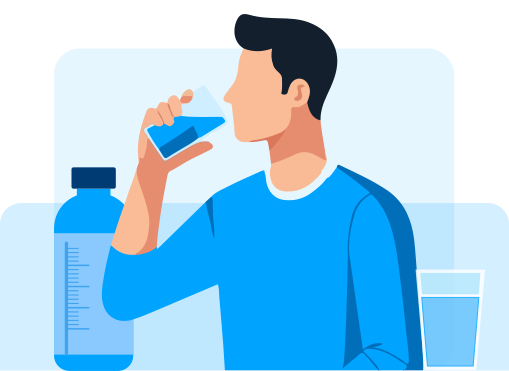
Both dehydration and excessive fluid intake can worsen OAB symptoms. Aim for around 1.5-2 litres of fluid per day, unless your doctor has advised otherwise. Spread your intake evenly throughout the day and consider reducing fluids 2-3 hours before bedtime to help minimise night-time urination.
Step 2: Limit bladder irritants

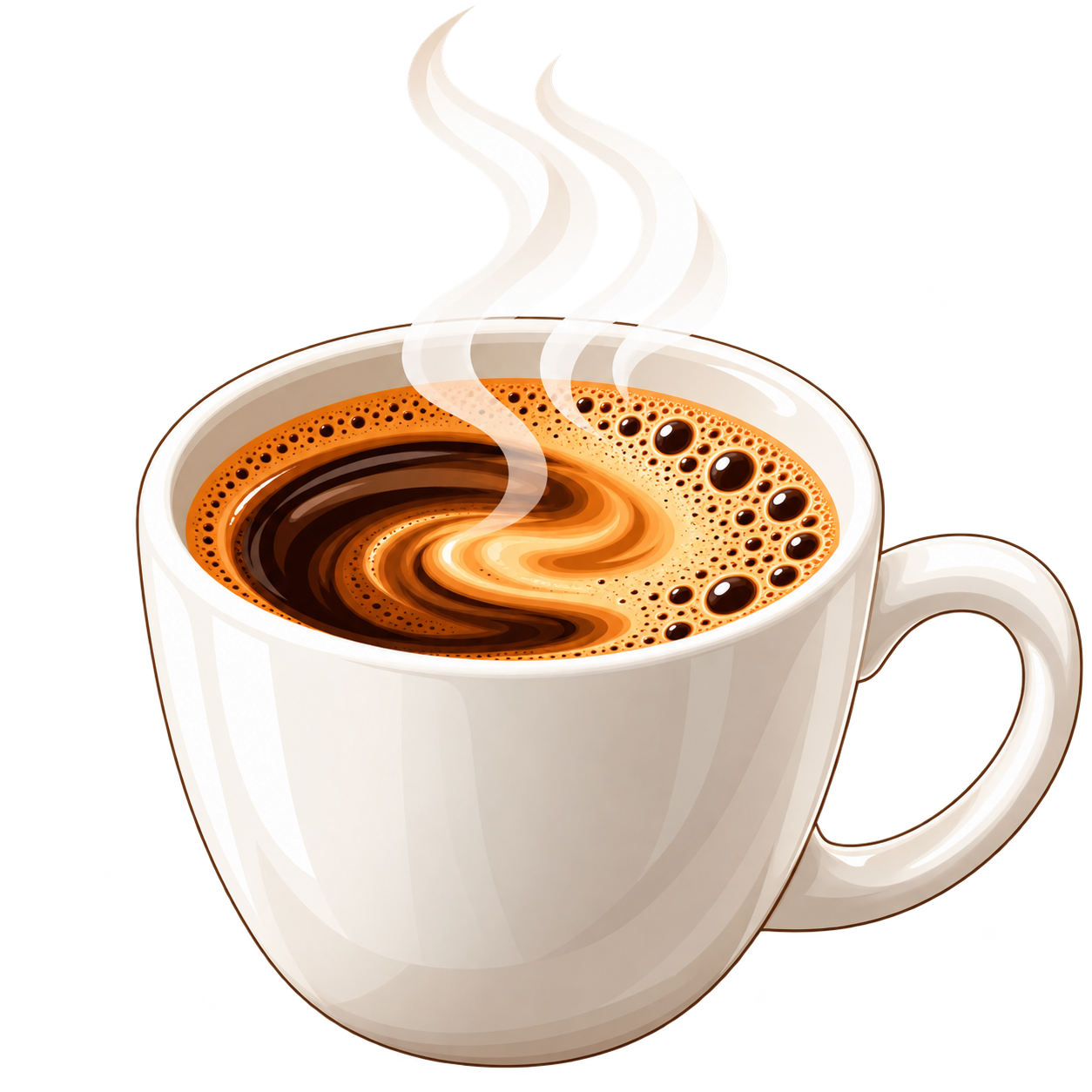
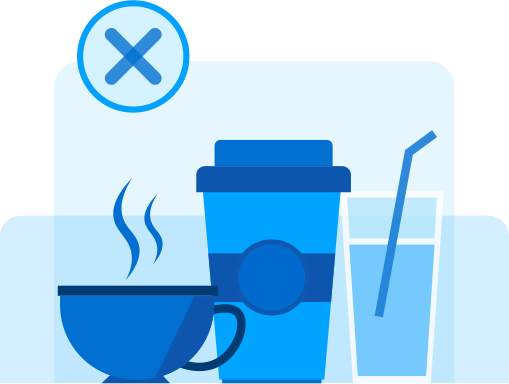
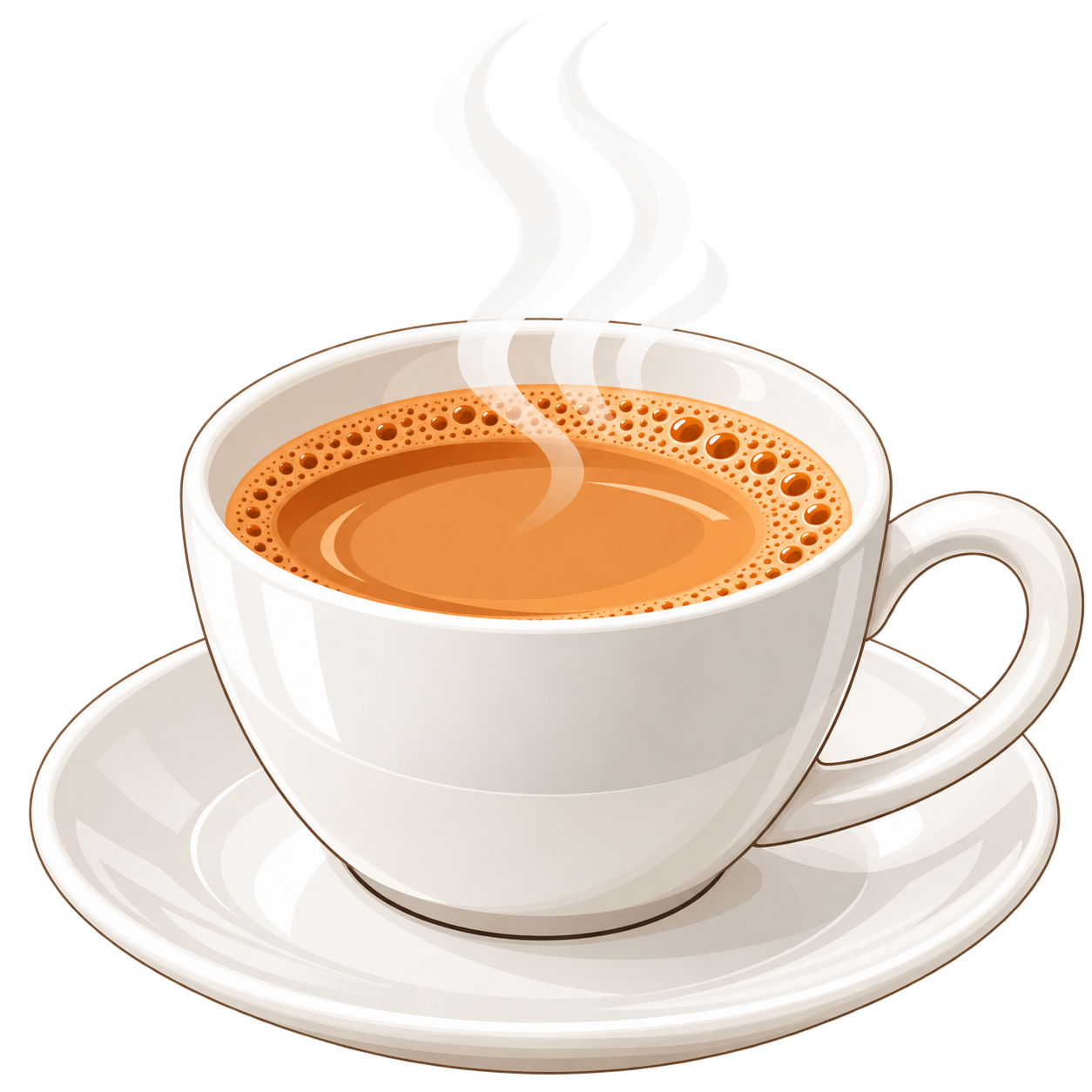
Certain foods and drinks may trigger urgency or frequent urination. These include caffeine (tea, coffee and cola), alcohol, carbonated beverages, spicy foods, citrus fruits and artificial sweeteners. Notice which, if any, affect your symptoms.

Tea

Tea

Coffee

Coffee

Carbonated Beverages

Carbonated Beverages

Alcohol

Alcohol

Spicy Foods

Spicy Foods

Citrus Fruits

Citrus Fruits

Step 3: Choose bladder-friendly foods

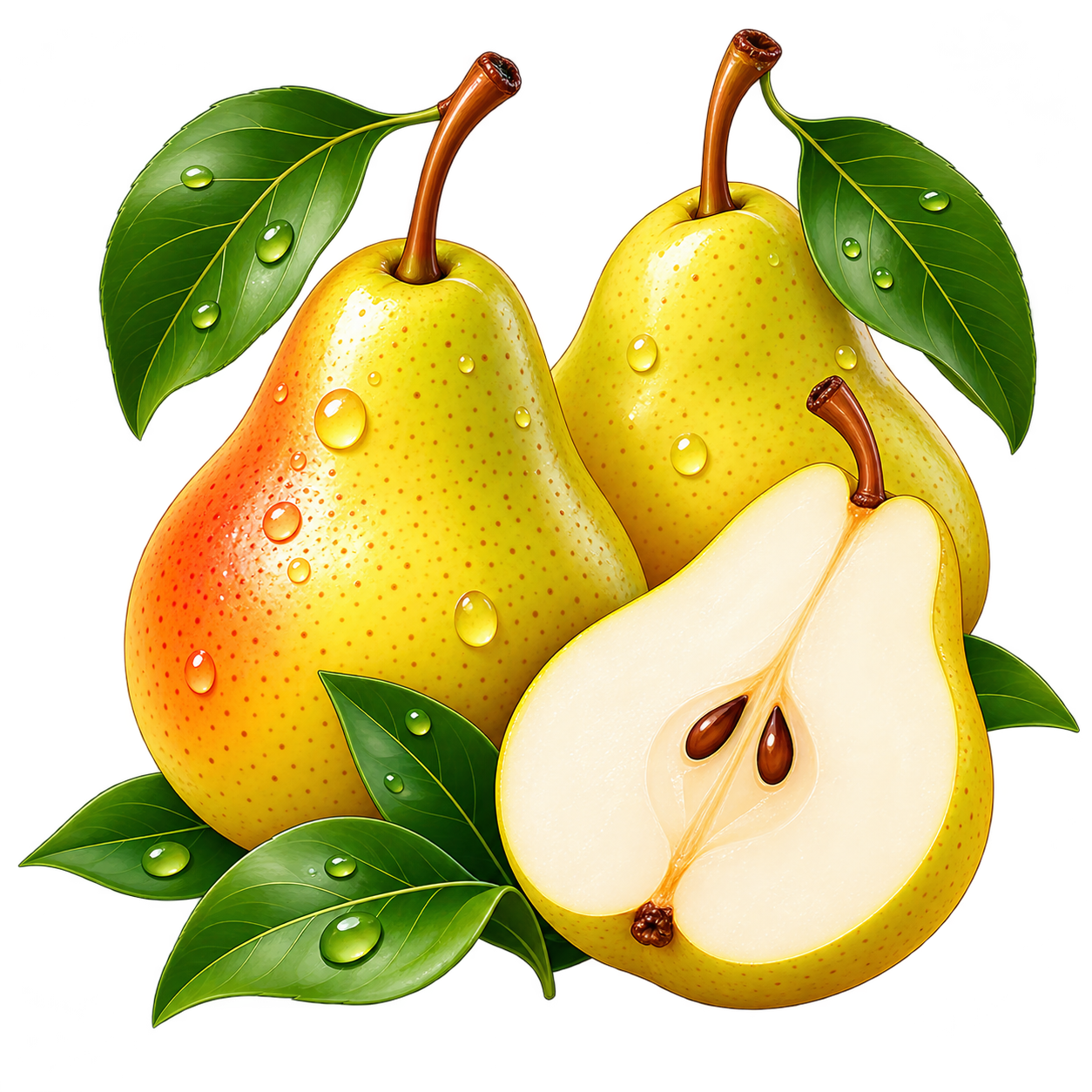
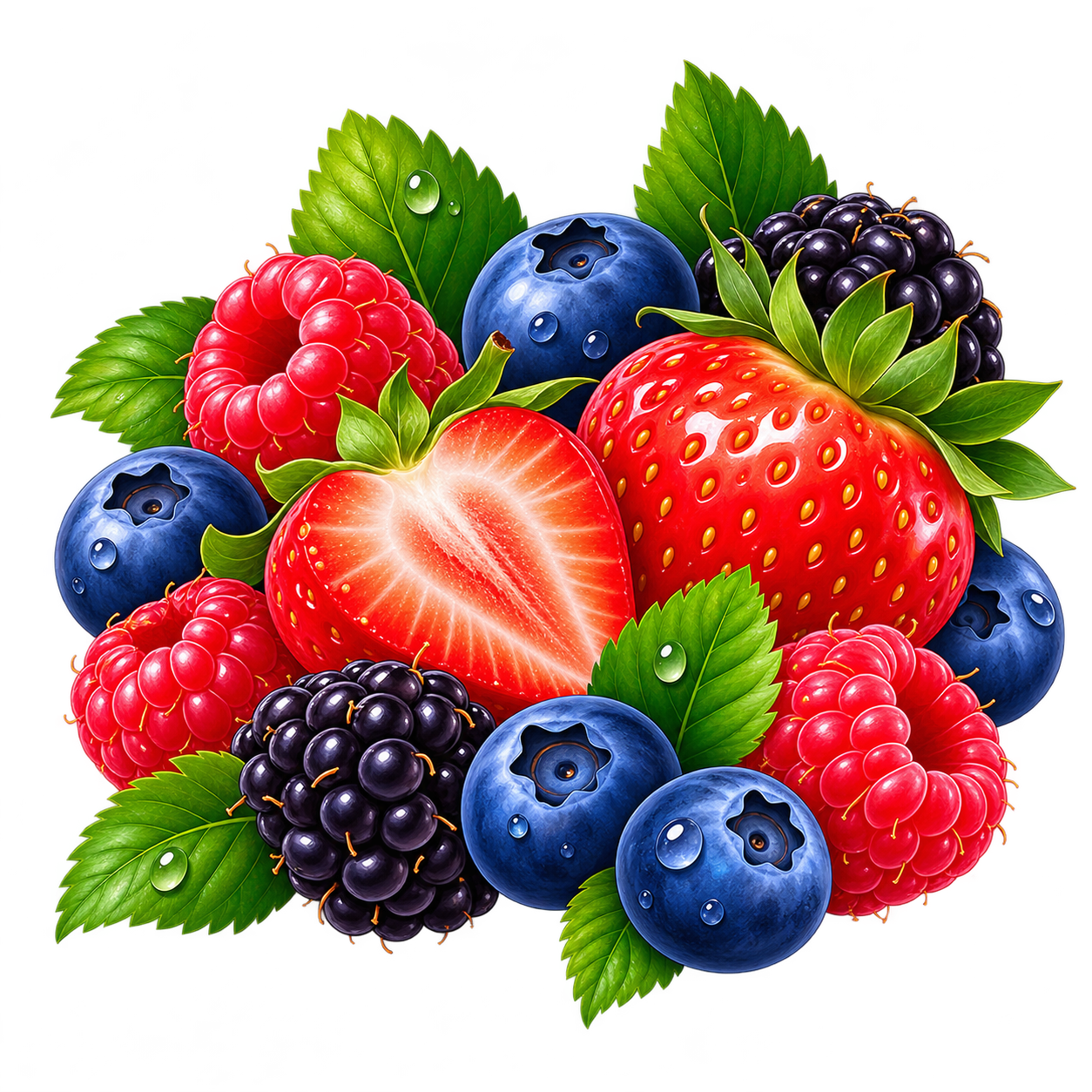
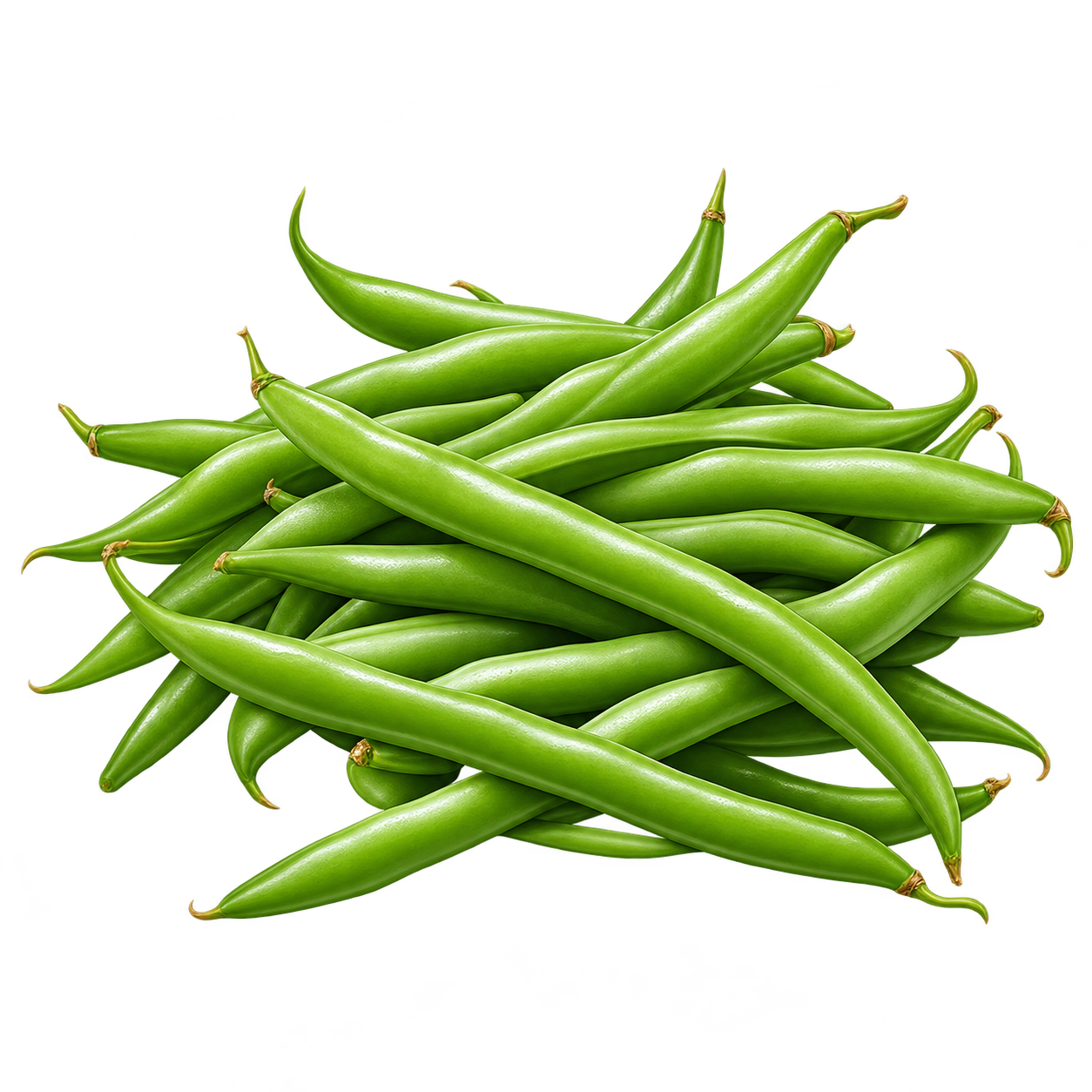
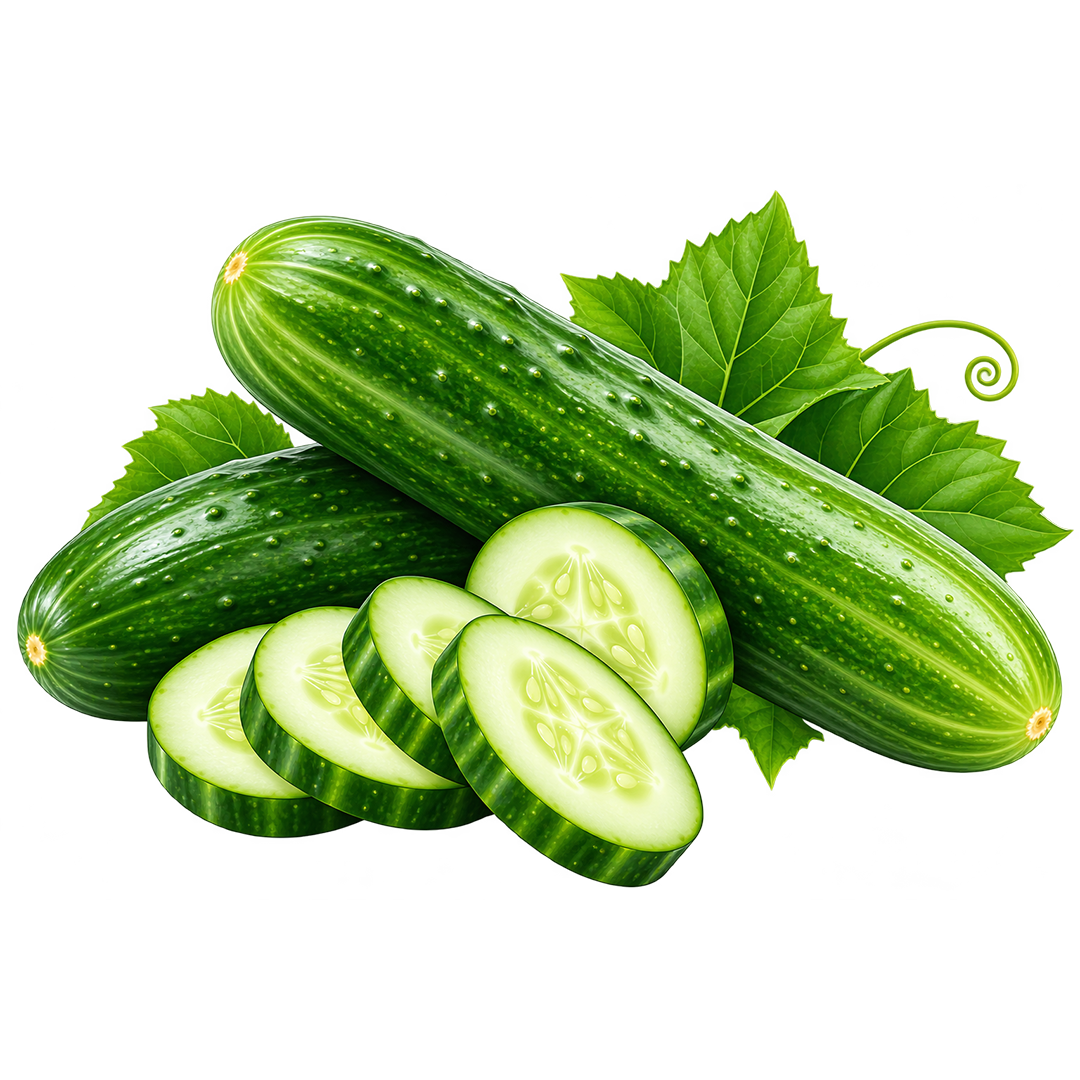
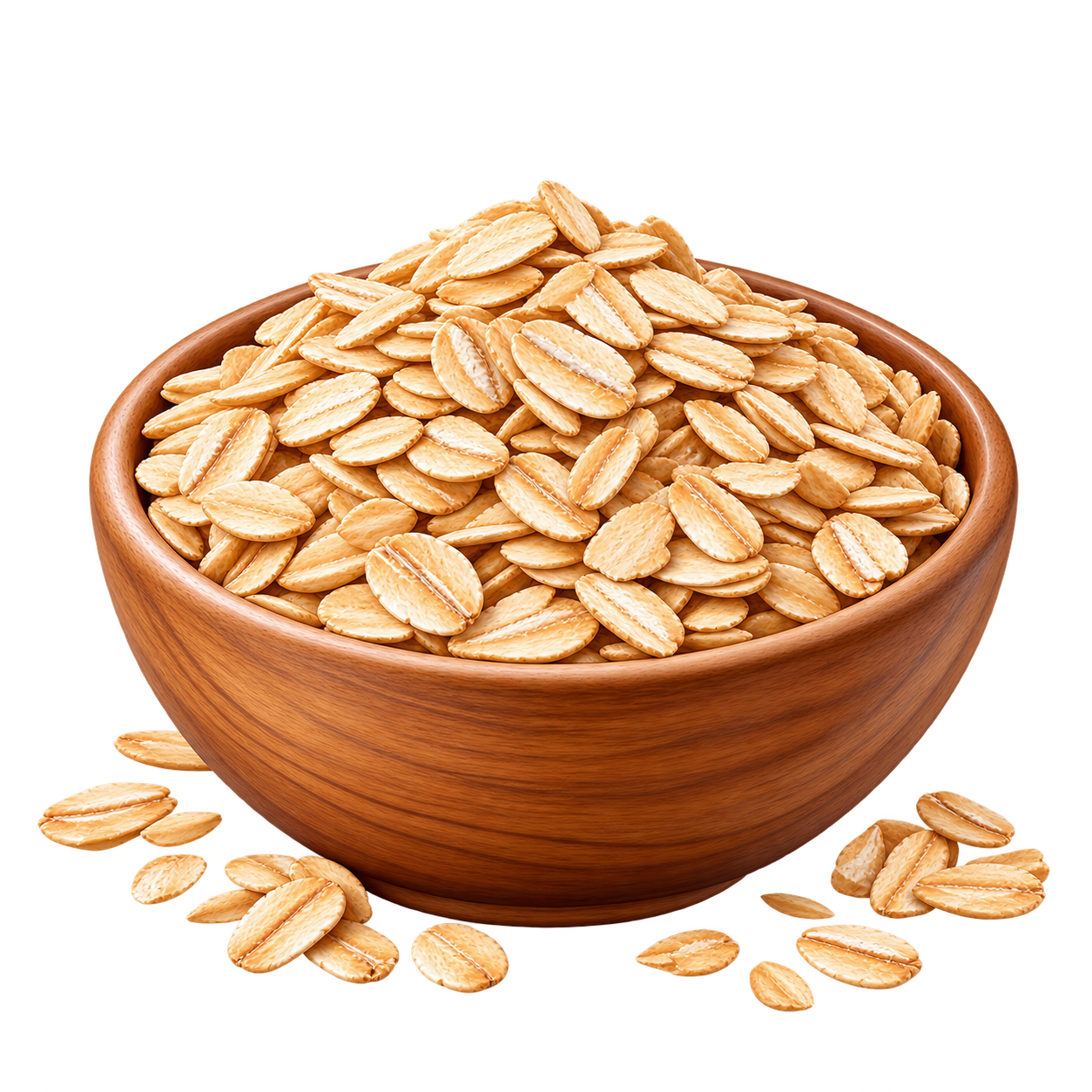
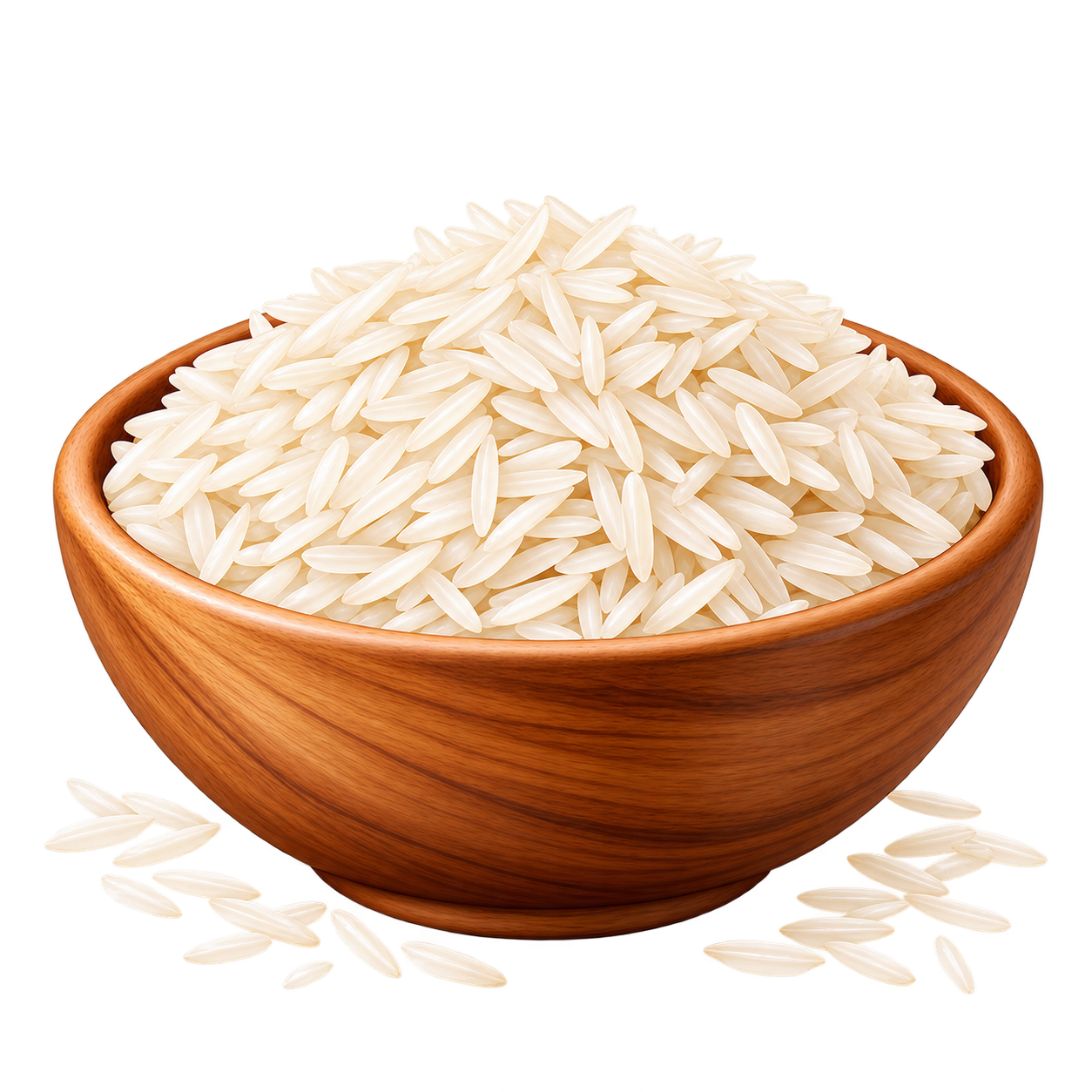
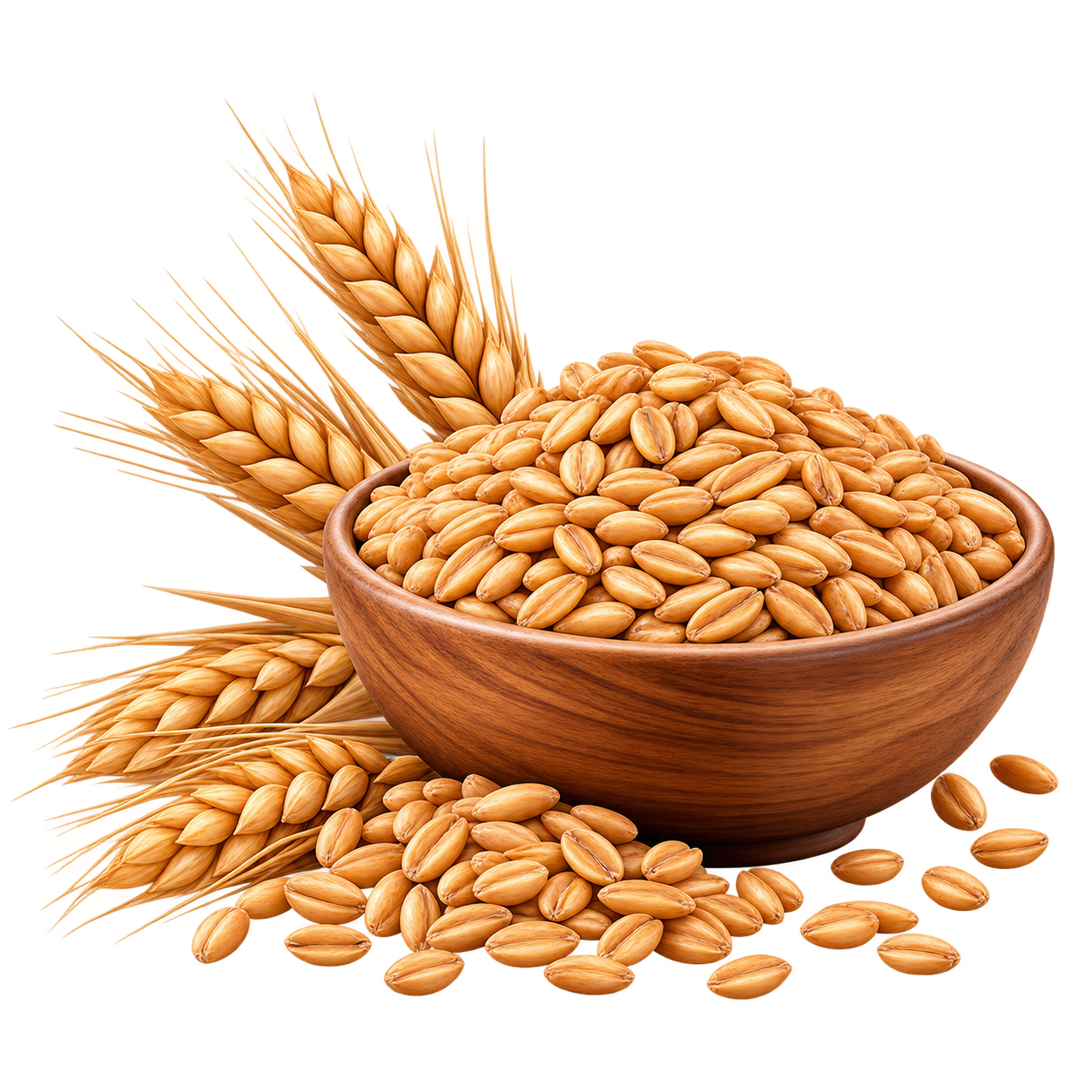
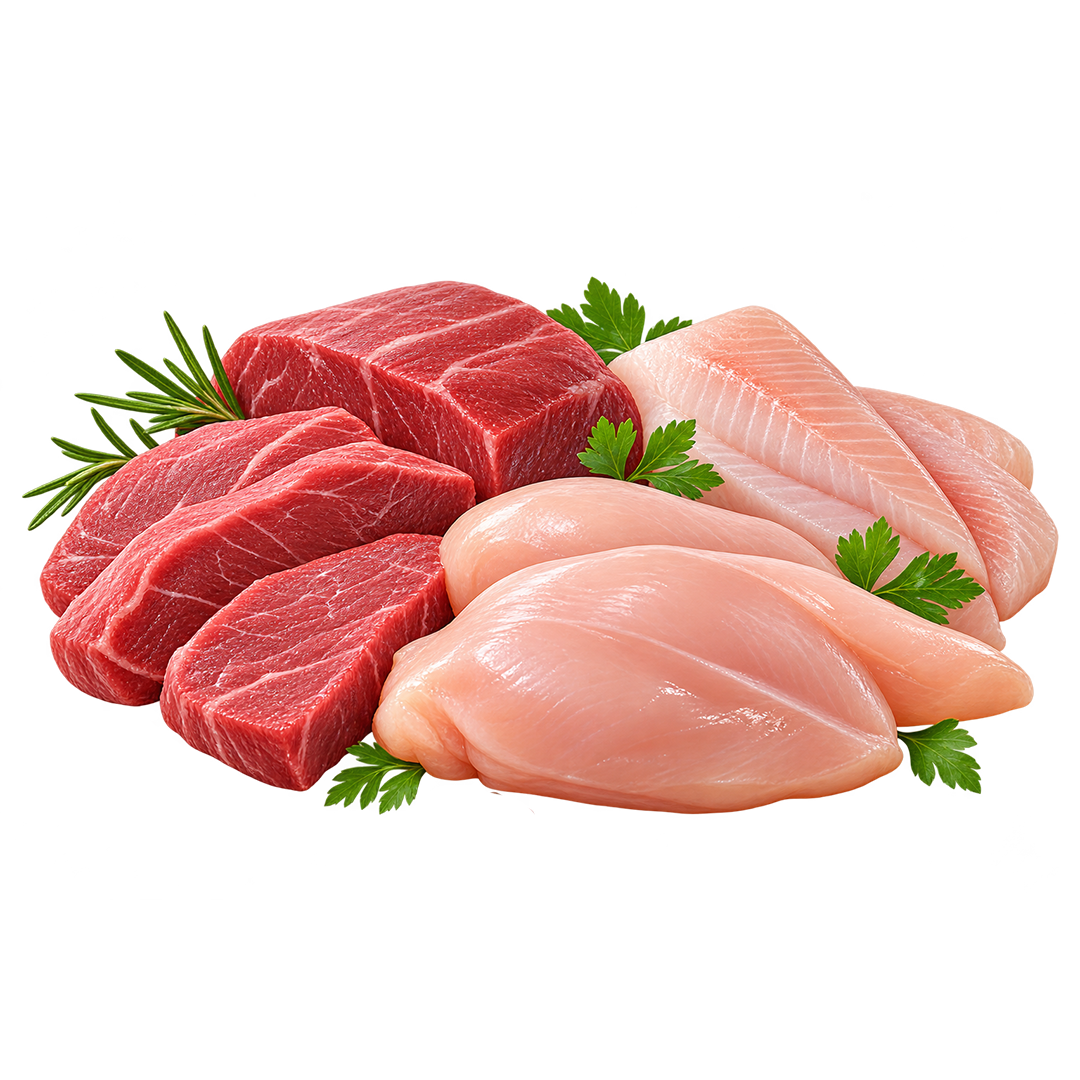
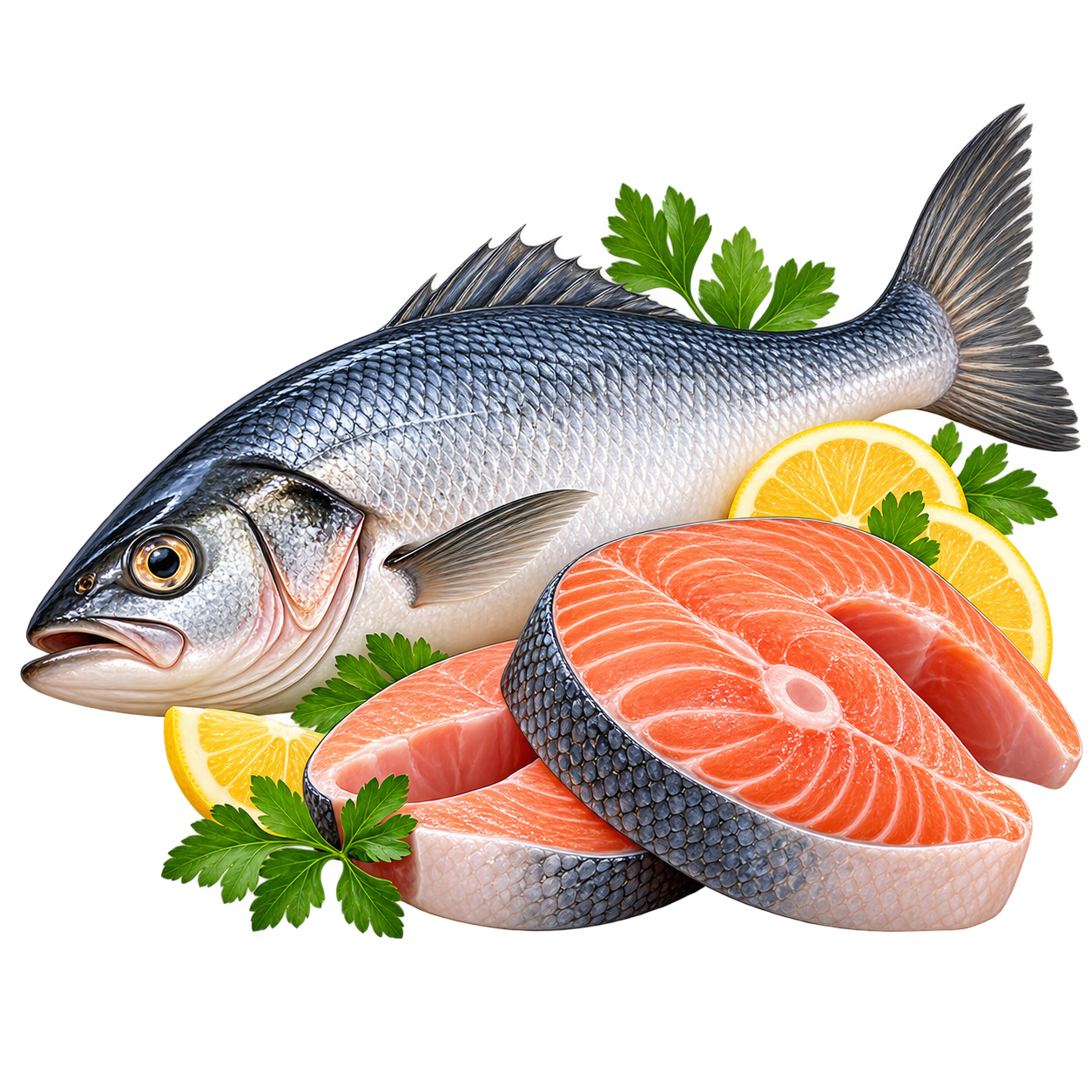
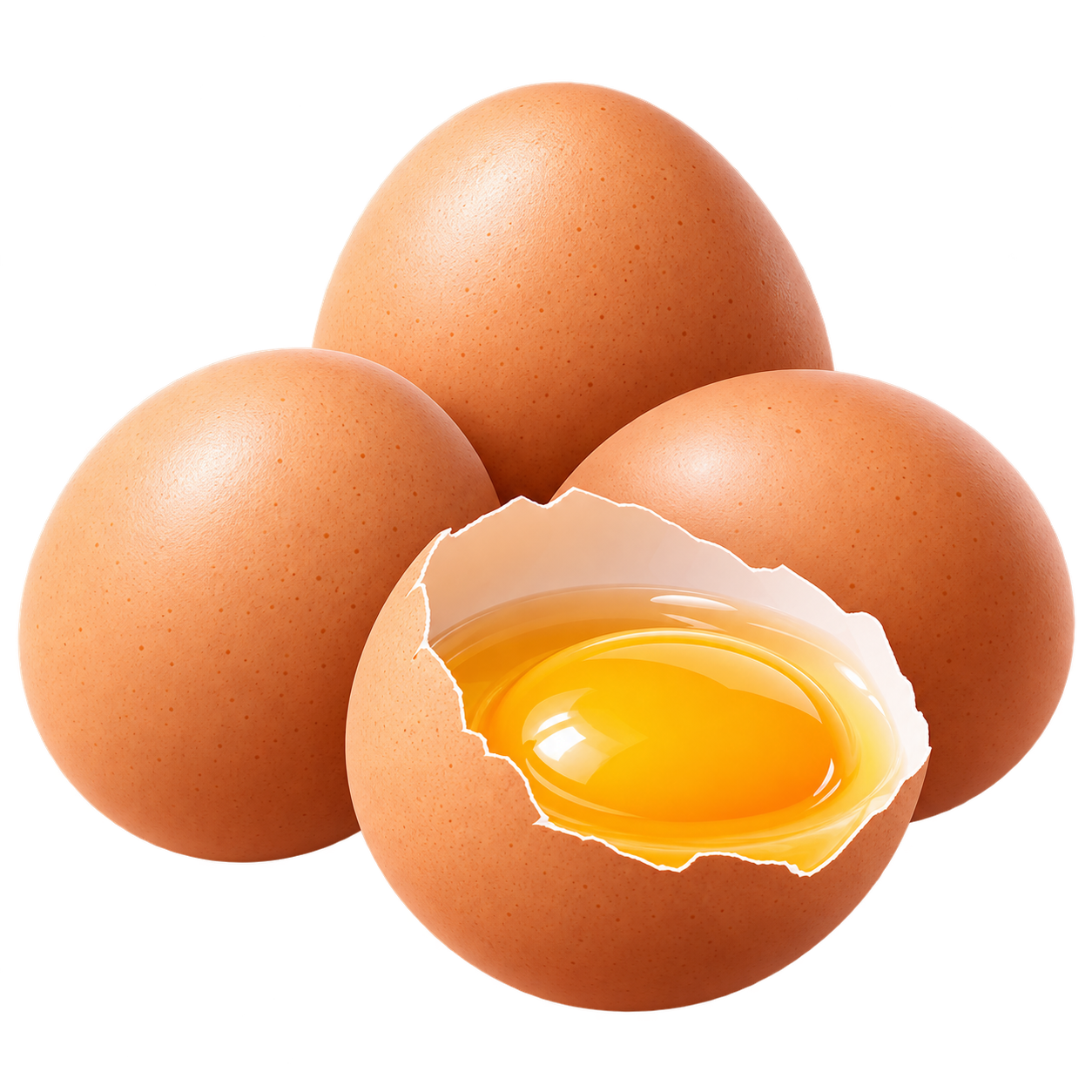
Include a variety of fruits, vegetables, whole grains and protein sources in your daily diet. Choose from options like pears, bananas, apples, berries, broccoli, green beans, cucumbers, oats, rice, whole wheat, lean meats, fish, eggs and legumes.

Pear

Pear

Banana

Banana

Apples

Apples

Berry

Berry

Green Beans

Green Beans

Cucumber

Cucumber

Rolled Oats

Rolled Oats

Rice

Rice

Whole Wheat

Whole Wheat

Lean Meats

Lean Meats

Fish

Fish

Eggs

Eggs

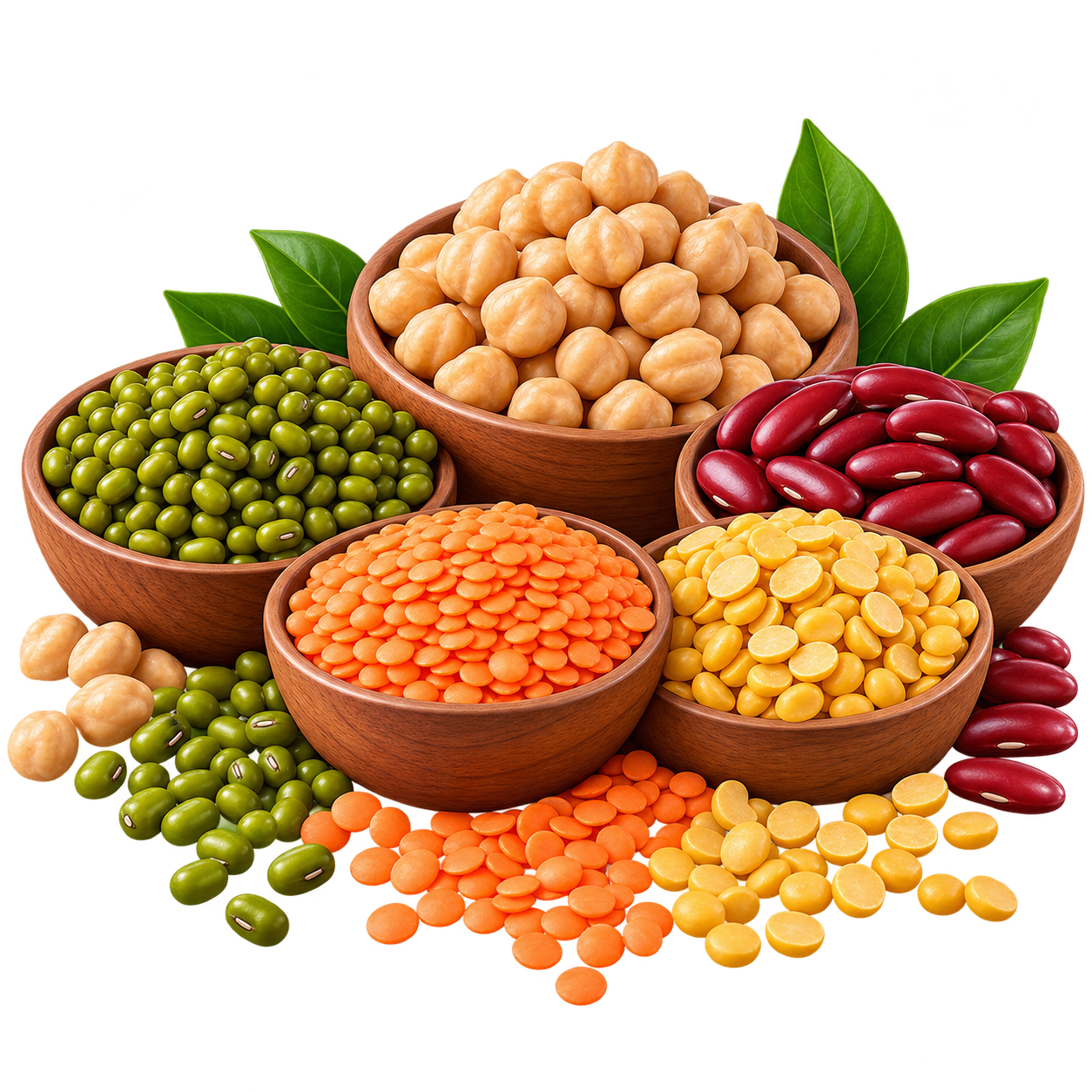
Legumes

Legumes

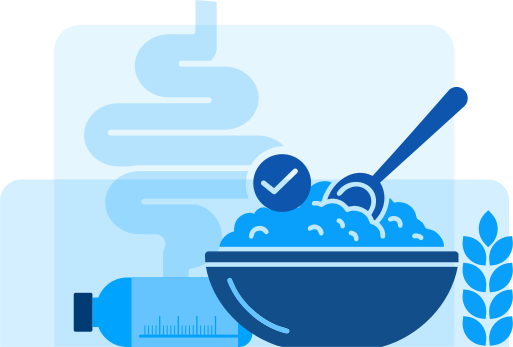
Step 4: Manage fibre intake to prevent constipation

Constipation can put additional pressure on the bladder and worsen symptoms. Include fibre-rich foods such as whole grains, fruits and vegetables and drink adequate water to help maintain regular bowel movements.

Whole Wheat

Whole Wheat

Rolled Oats

Rolled Oats

Apples

Apples

Pear

Pear

Banana

Banana

Berry

Berry

Green Beans

Green Beans

Cucumber

Cucumber

Legumes

Legumes

Step 5: Build healthy drinking habits

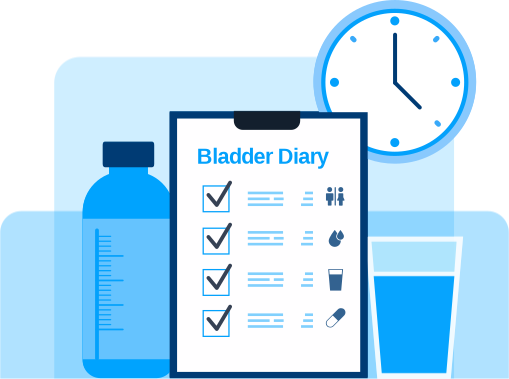
Keep a bladder diary to track your fluid intake and urination frequency. Sip fluids gradually instead of drinking large amounts at once and plan your fluid intake before long journeys or social events to help manage urgency.

Ref: 1. Christofi N, Hextall A. An evidence-based approach to lifestyle interventions in urogynaecology. Menopause Int. 2007 Dec;13(4):154-8. doi: 10.1258/175404507783004140. PMID: 18088526

Hold the Moment Behavioral therapy Handbook_Sept25

Medical disclaimer

The information provided on this page is for educational purposes only and is not intended to replace professional medical advice, diagnosis or treatment. Please consult a qualified healthcare professional for evaluation of any urinary symptoms.

Back to Home