Lifestyle Management

Everyday habits can support better bladder management (1) Lifestyle changes can form part of OAB management. Along with treatment recommended by your healthcare professional, simple adjustments to fluid intake, bladder habits, diet and daily activity may help you manage your symptoms.

Everyday changes that may help

Step 1 : Bladder Training

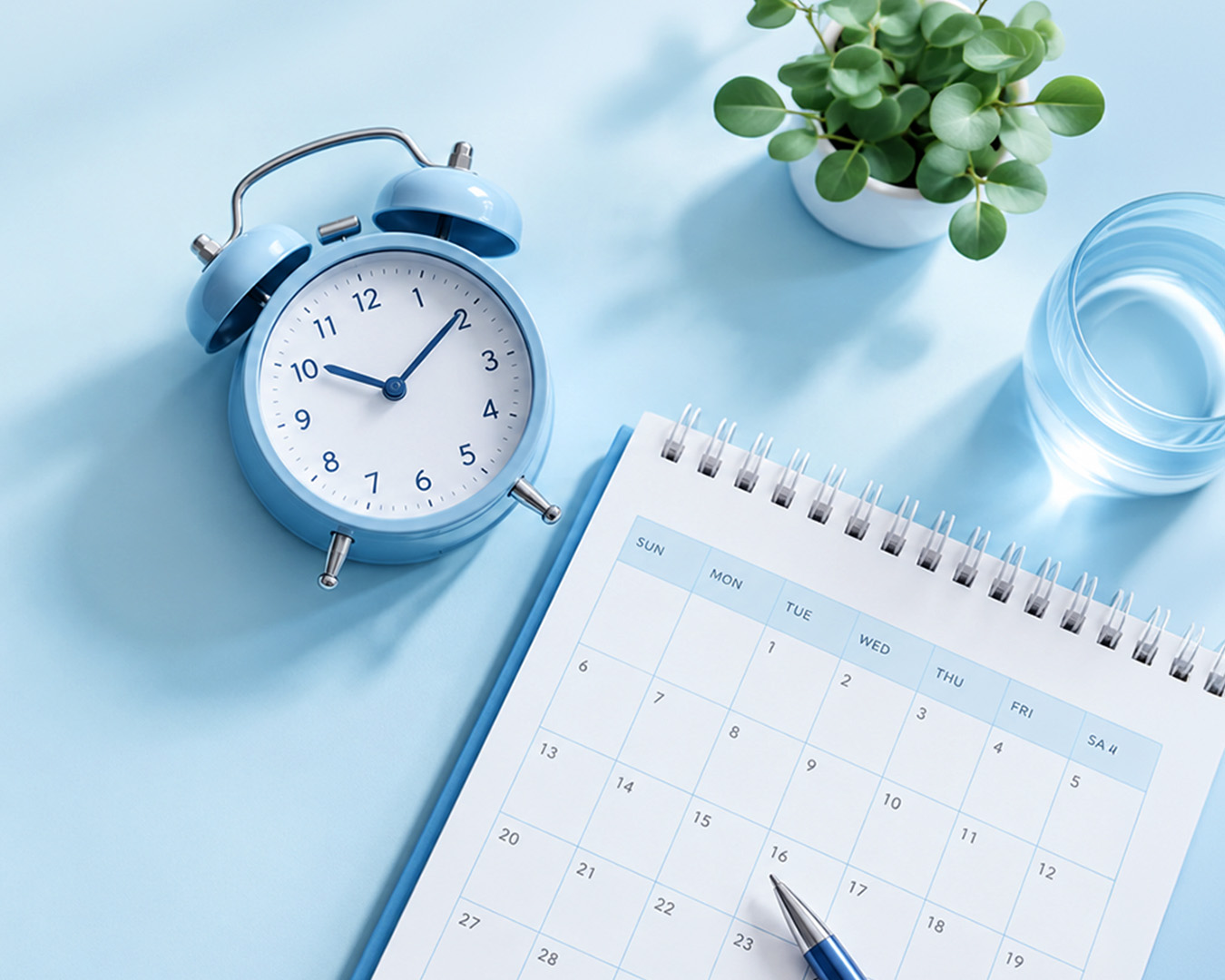
Bladder training involves gradually increasing the time between bathroom visits. This can help you develop better bladder control and learn to manage the urge to urinate. A bladder diary can help you and your healthcare professional track your bathroom habits and plan your routine.
Step 1 : Bladder Training

Step 2: Fluid & Diet Management

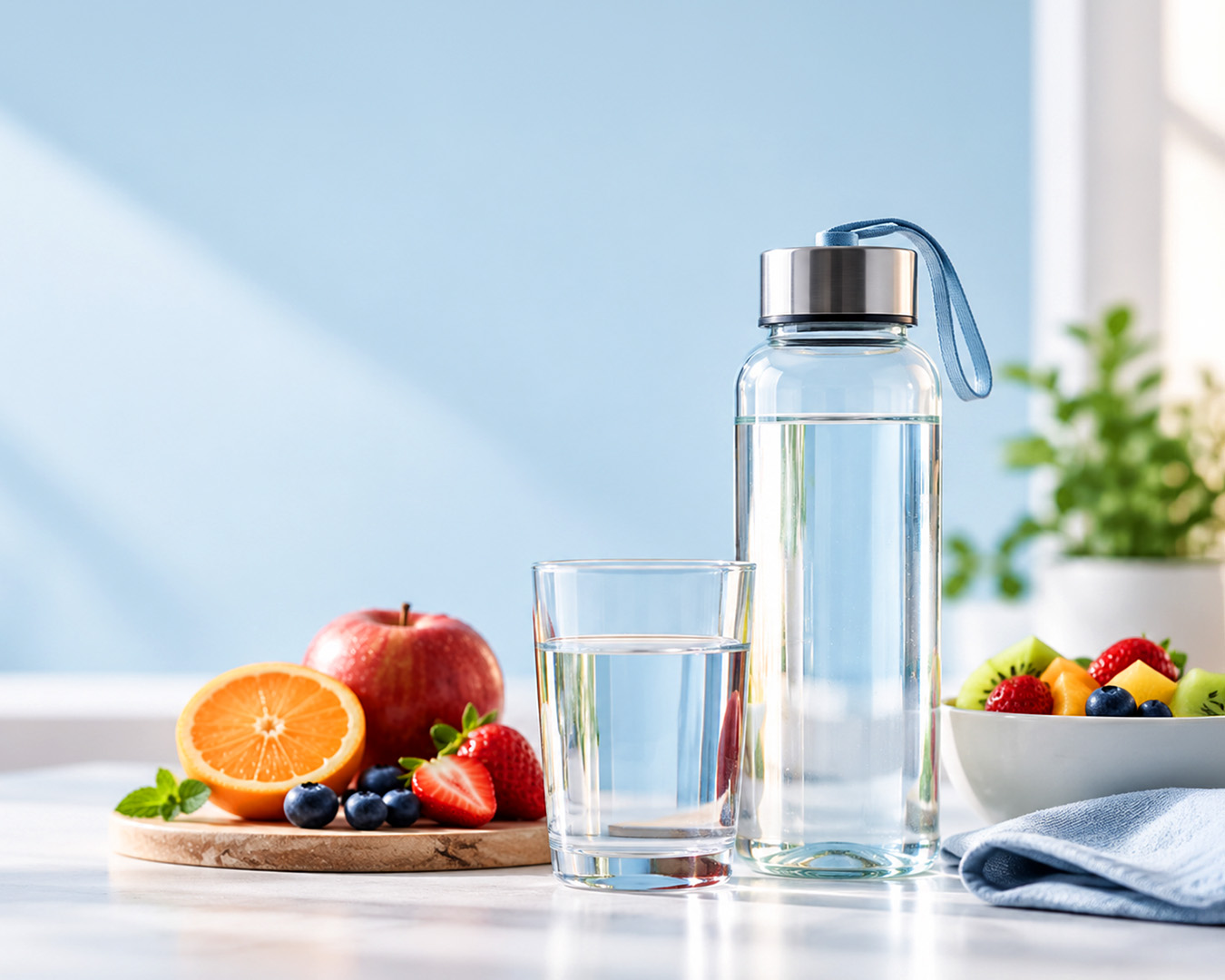
Keep track of how much fluid you drink and when you drink it. Both too much and too little fluid can contribute to urinary symptoms, so adjust your fluid intake to your individual needs. Avoid restricting fluids enough to become dehydrated. Caffeine can increase urinary urgency and frequency in some people. Reducing caffeine may help improve symptoms. Some people may also find that spicy foods, carbonated drinks, alcohol or other foods and drinks trigger their symptoms.

Step 2: Fluid & Diet Management

Step 3: Weight & Physical Activity

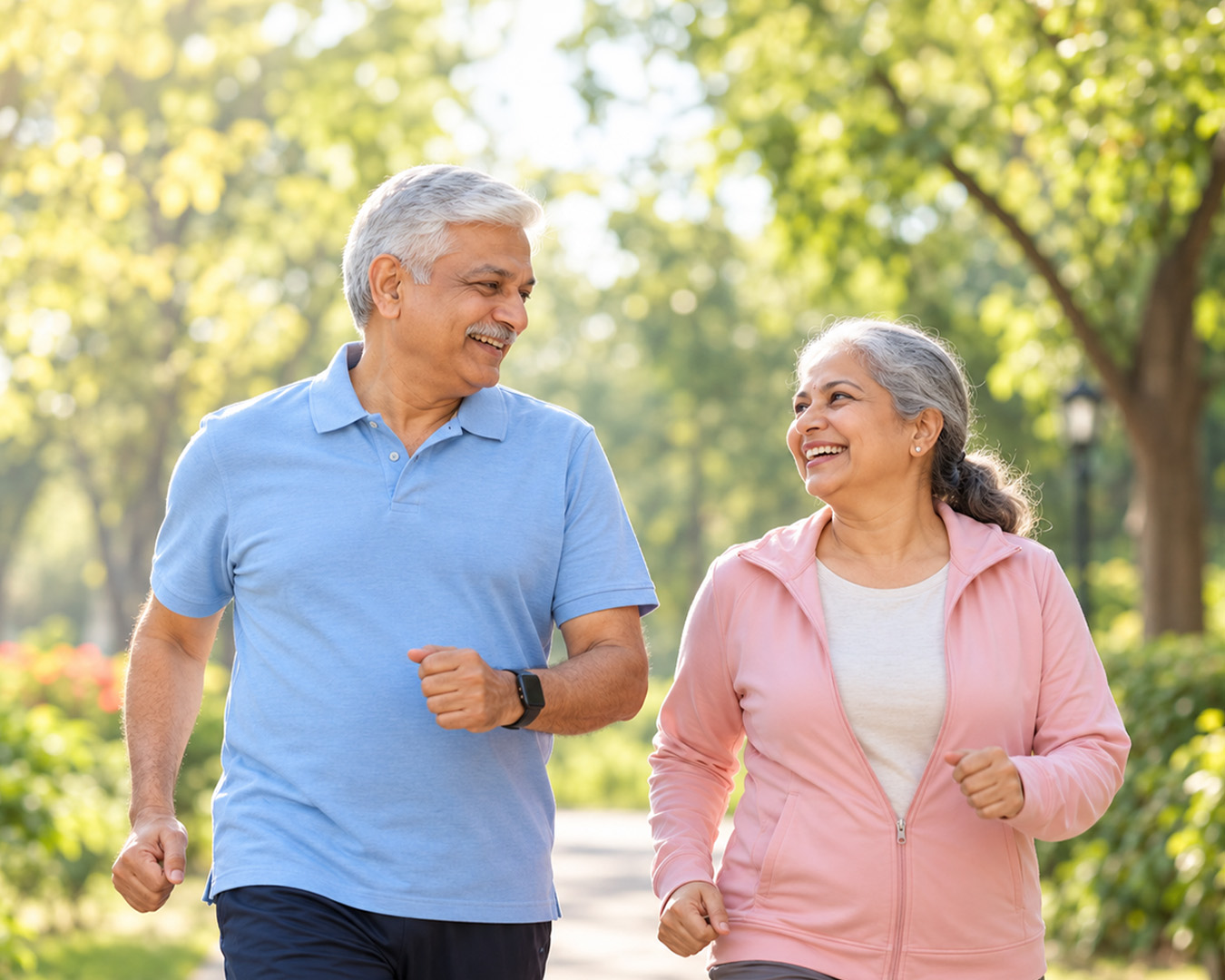
If you are overweight or obese, weight loss may reduce urinary symptoms. Regular physical activity can also support a healthy weight and overall health. Speak with your healthcare professional about an appropriate activity and weight-management plan for you.

Step 3: Weight & Physical Activity

Step 4: Smoking & Bladder Health

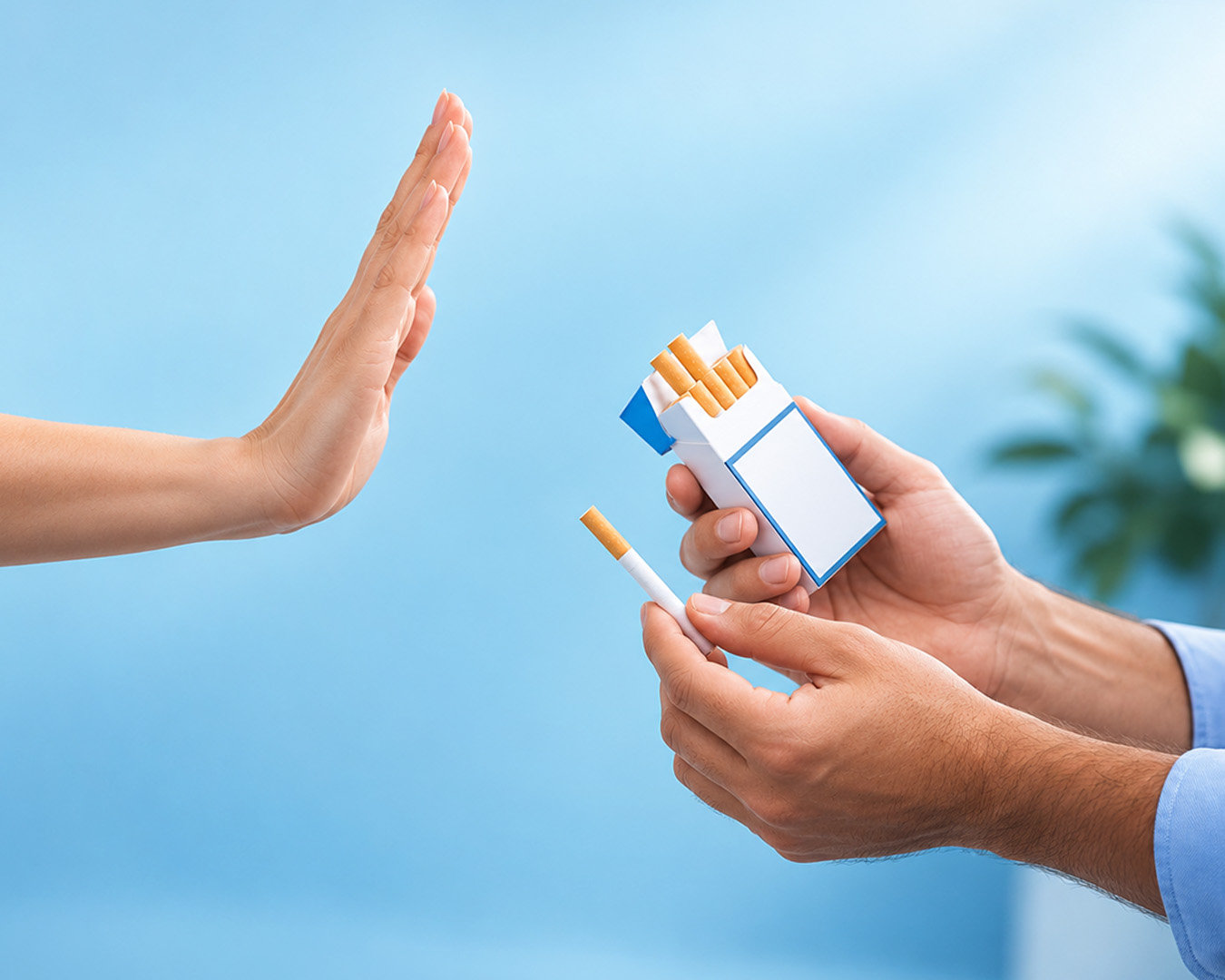
If you smoke, quitting can benefit your bladder and overall health. Smoking is associated with urinary symptoms and the coughing caused by smoking can also contribute to urinary incontinence.

Step 4: Smoking & Bladder Health

Ref: 1. Christofi N, Hextall A. An evidence-based approach to lifestyle interventions in urogynaecology. Menopause Int. 2007 Dec;13(4):154-8. doi: 10.1258/175404507783004140. PMID: 18088526

Hold the Moment Behavioral therapy Handbook_Sept25

Practical Tips

  • Gradually increase the time between visits as part of bladder training.
  • Keep track of foods and drinks that appear to make your symptoms worse.
  • Reduce your caffeine intake to help with urgency and frequency.
  • Avoid drinking excessively, but don't restrict fluids to the point of dehydration.
  • Discuss any new or changing urinary symptoms with your doctor.
  • Track how your symptoms change over time before your consultation.

Medical disclaimer

The information provided on this page is for educational purposes only and is not intended to replace professional medical advice, diagnosis or treatment. Please consult a qualified healthcare professional for evaluation of any urinary symptoms.

Back to Home